What Makes a Ring “Fine Jewelry” (and Why It’s Worth the Price)
A fine jewelry ring and a fashion ring can look almost identical on a shelf. The real difference sits underneath the surface, in the metal, the stones, and the craftsmanship that goes into the piece.
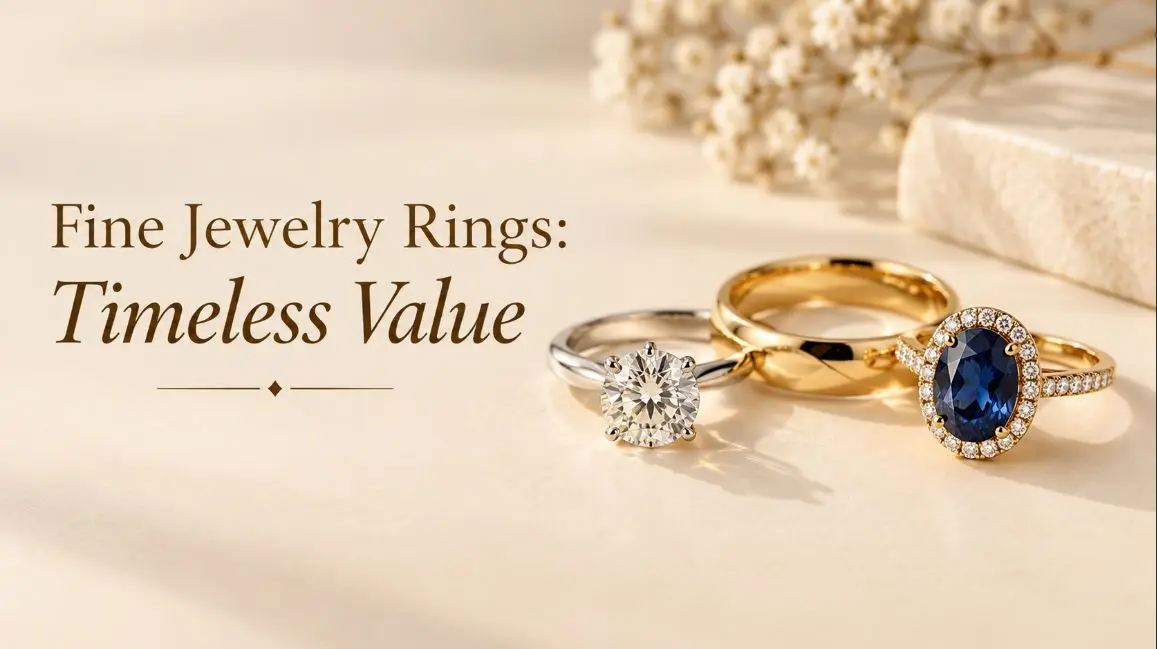
Fine jewelry rings for women and men are built from precious metals like 14k gold, sterling silver, or platinum, set with genuine gemstones rather than synthetic or imitation materials. Fashion jewelry, by contrast, typically uses base metals and glass or plastic stones designed to mimic the real thing at a fraction of the cost and, usually, a fraction of the lifespan.
This guide covers what separates fine jewelry rings from everything else, what actually drives their value, and what to check before buying one.
Precious Metal Rings: The Foundation of Fine Jewelry
Precious metal rings start with the metal itself, and it’s the single biggest factor separating fine jewelry from fashion pieces. Sterling silver, 14k gold, 18k gold, and platinum each bring different properties to a ring, and none of them are interchangeable in terms of value or durability.
14k gold rings sit at roughly 58.3% pure gold, alloyed with metals like copper or silver for added strength. This makes 14k the most common choice for everyday fine jewelry, since it holds up to daily wear better than higher-karat gold while still carrying real, resalable gold content. 18k gold pushes purity up to 75%, trading some durability for a richer color and higher resale value.
Sterling silver fine rings use a 92.5% pure silver alloy, marked with a 925 stamp. Silver costs considerably less than gold, which makes it a common entry point into fine jewelry for buyers who want genuine precious metal without the gold price tag. For a closer look at how silver purity is graded, see this breakdown of fine silver standards.
Platinum sits above both in terms of durability and price. It’s denser, more resistant to scratching, and naturally white without needing rhodium plating, which is why it remains a top choice for pieces meant to last decades.
Gemstone Rings: What Separates Real Stones From Imitations
Gemstone rings carry a similar divide between fine and fashion jewelry. A genuine sapphire, ruby, or emerald has measurable hardness, clarity, and cut quality that a glass or synthetic stone simply can’t replicate over time.
A few things worth checking on any gemstone ring before buying:
- Hardness. Diamonds, sapphires, and rubies rank high on the Mohs scale, meaning they resist scratching far better than softer stones or glass.
- Clarity grading. Fine jewelry gemstones typically come with clarity grades (or at minimum, a jeweler’s honest assessment) rather than vague marketing language.
- Cut quality. A well-cut stone reflects light evenly. A poorly cut one looks dull even in good lighting, regardless of the stone’s actual quality.
- Setting security. Prongs or bezels should hold the stone firmly, with no visible gaps or movement when gently tested.
Solitaire Diamond Ring: A Classic Fine Jewelry Style
The solitaire diamond ring remains one of the most recognized styles in fine jewelry, built around a single center stone with minimal additional detail. The simplicity is intentional. A solitaire setting puts the full focus on the stone itself, with the metal band and prongs serving purely as support.
This style works particularly well for engagement rings and anniversary pieces, since a well-chosen center stone doesn’t need extra embellishment to stand out. Solitaire settings also tend to age well stylistically, unlike more trend-driven designs that can look dated within a decade.
Handcrafted Gold Rings vs Mass-Produced Pieces
Handcrafted gold rings differ from mass-produced pieces in ways that go beyond appearance. A handcrafted ring is typically made by a single jeweler or small workshop, often with attention to detail that gets lost in large-scale manufacturing: hand-set stones, individually finished prongs, and metalwork that reflects a specific craftsman’s technique rather than a factory template.
Mass-produced rings aren’t inherently low quality, and plenty of reputable jewelers produce consistent, well-made pieces at scale. The distinction matters more for buyers specifically seeking a one-of-a-kind piece or wanting to support smaller, independent jewelry makers rather than large retail chains.
Fine Jewelry Investment: What Actually Holds Value
Fine jewelry investment claims get thrown around loosely, and it’s worth separating fact from marketing before treating any ring purchase as a financial decision.
The metal content in a fine jewelry ring holds real, recoverable value tied to the gold, silver, or platinum spot price at any given time. Gemstones add a separate layer of value that depends heavily on quality, rarity, and market demand rather than following a predictable price curve the way precious metals do.
A few honest points about fine jewelry as an investment:
- Craftsmanship and design premiums rarely translate into resale value; a $3,000 ring with $800 in metal and stone content typically resells closer to that $800 figure.
- Rare or well-documented pieces from recognized eras or makers can appreciate meaningfully, but this applies to a small percentage of the market.
- Metal content alone is the most reliable long-term value driver, since it’s tied directly to commodity pricing rather than taste or trend.
- Buying fine jewelry purely for wear and enjoyment, with any resale value as a secondary bonus, sets more realistic expectations than treating every ring purchase as a guaranteed return.
Vintage Fine Jewelry Rings: Value Beyond the Metal
Vintage fine jewelry rings occupy a slightly different category, since age and provenance can add value on top of raw metal and stone content. A ring from a recognized era, like Art Deco or mid-century design, or one tied to a known maker, can carry a collector premium that a newer piece with identical materials wouldn’t.
That premium depends entirely on documentation, condition, and market interest at the time of sale. A vintage ring without clear provenance is still valued primarily on its metal and stone content, the same as any other piece.
Luxury Ring Collection: Building One Thoughtfully
A luxury ring collection doesn’t need to start large or expensive. Most collectors build gradually, starting with one or two versatile pieces, like a simple gold band or a small solitaire, before adding statement pieces over time.
A few practical points for anyone starting a collection:
- Prioritize metal purity and stone quality over brand names, since resale value tracks materials far more consistently than labels
- Keep documentation (receipts, certificates, appraisals) for every piece, since this protects both insurance claims and future resale
- Mix everyday wearable pieces with a few statement pieces, rather than buying only occasion wear that sits unworn most of the year
- Consider gold rings and white gold or rose gold pieces as a practical entry point before moving into higher-value gemstone pieces
Additional guidance on building a collection with long-term value in mind is covered in this jewelry consumer guide and this collector’s perspective.
Where to Buy Fine Jewelry Rings
Where a ring comes from matters almost as much as what it’s made of. Department store counters, independent jewelers, and estate sales each come with different tradeoffs in price, selection, and transparency about materials. One retail buying comparison walks through how a major department store option stacks up against smaller, specialized sellers.
Regardless of where a ring is purchased, a seller who’s transparent about metal purity, stone origin, and documentation is generally the safer bet over one who leans on vague marketing language instead of specifics. Jewelry itself has carried cultural and personal significance for thousands of years, and the modern jewelry industry still reflects that same combination of craftsmanship and material value at its core.
Final Thoughts on Fine Jewelry Rings
Fine jewelry rings earn their price through real materials and craftsmanship rather than marketing alone. Precious metal content, genuine gemstones, and honest documentation are what actually separate a lasting piece from something that looks similar but won’t hold up the same way.
Anyone weighing a fine jewelry purchase benefits from checking those fundamentals first, whether the goal is a piece meant for daily wear, an investment-minded purchase, or a vintage find with its own story attached.
For pieces already owned, from gold and silver rings to older vintage settings, our valuation process explains how metal and stone content are assessed, and what we buy covers the full range of fine jewelry accepted for evaluation or sale.
Author: Mudassir Ali writes about fine jewelry, precious metals, and buyer education for independent jewelers across the United States.
FAQ: Fine Jewelry Rings
What makes a ring “fine jewelry” instead of fashion jewelry?
Fine jewelry rings are made with precious metals like gold, silver, or platinum and set with genuine gemstones, while fashion jewelry typically uses base metals and imitation stones.
What metals are commonly used in fine jewelry rings?
14k and 18k gold, sterling silver (925), and platinum are the most common metals, each offering a different balance of durability, purity, and price.
Are fine jewelry rings a good investment?
Metal content holds fairly reliable value tied to spot pricing, but craftsmanship and design premiums rarely translate into resale value, so most rings are better viewed as purchases for wear rather than guaranteed investments.
How do I care for fine jewelry rings?
Store pieces separately to prevent scratching, avoid harsh chemicals and chlorine, and have prongs and settings checked periodically to catch loose stones early.
What is a solitaire diamond ring?
A solitaire is a ring style featuring a single center stone with minimal additional detail, putting the full visual focus on the stone itself.
How can I tell if a ring is genuine fine jewelry?
Check for hallmark stamps indicating metal purity (14K, 18K, 925) and ask for documentation on any gemstones, since genuine fine jewelry typically comes with verifiable materials rather than vague descriptions.
Does vintage fine jewelry hold its value?
Often yes, particularly pieces with clear provenance from recognized eras or makers, though value still depends heavily on documentation, condition, and current collector demand